
By Jordan Scott, Grains Biosecurity Officer, South Australia
Strong seasonal conditions in South Australia have increased expectations for a near-record grain harvest, driving demand for harvest machinery across the state. To help get crops off, growers and contractors have looked interstate for second-hand equipment from Western Australia, Victoria and New South Wales.
While additional machinery can help manage the harvest, it can also bring biosecurity risks. Soil, grain, plant material and weed seeds caught in equipment can introduce pests, diseases and weeds to new areas.
September data from the Department of Primary Industries and Regions South Australia’s (PIRSA) Market Access team highlighted the volume of machinery moving into the state, including combine harvesters, headers, grain bins, air seeders and tractors.
Thorough cleaning and strict compliance with South Australia’s entry requirements are important before machinery is transported.
What could be hiding in second-hand machinery?
Imagine a Yorke Peninsula contractor purchasing a second-hand harvester from Western Australia to help manage a busy harvest. The machine arrives looking clean and ready to head straight into the paddock.
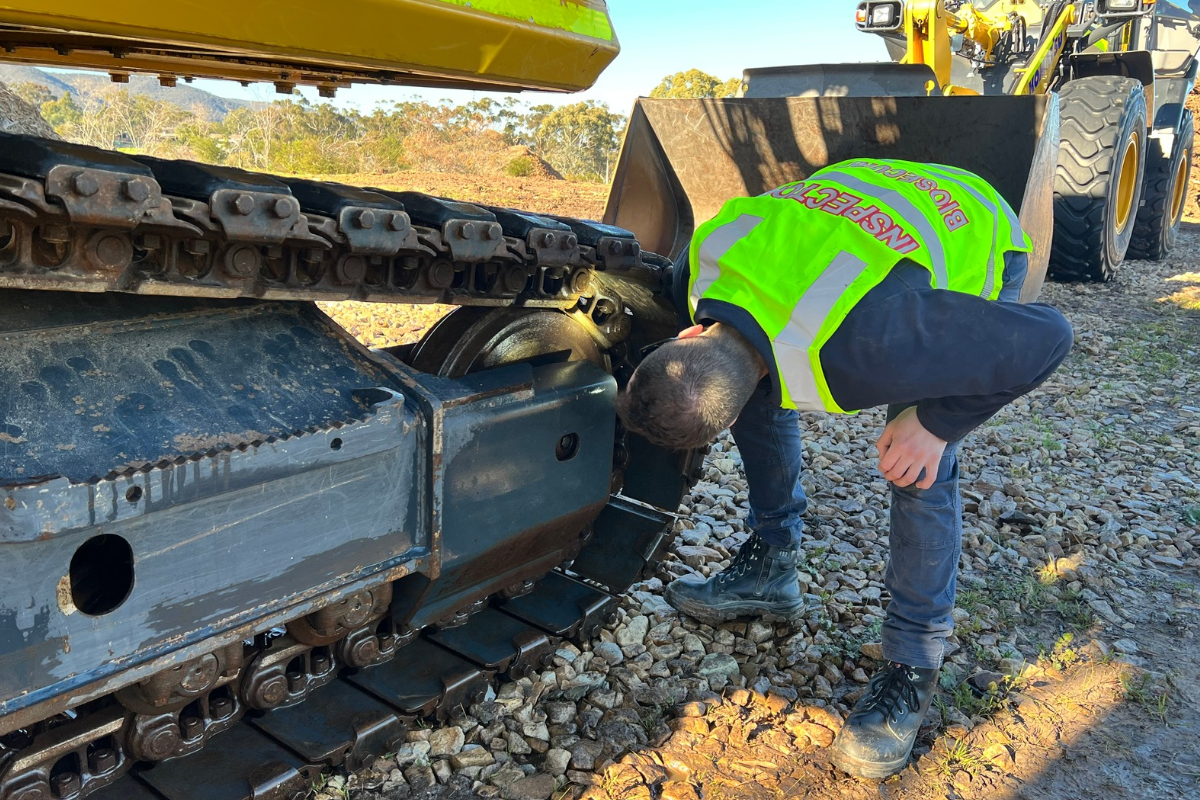
However, even machinery that appears spotless on the outside can contain soil, grain, plant material and weed seeds in areas that are difficult to see or clean.
If this material is carried into a paddock, it could introduce pests, diseases or weeds that were not previously present. Some may go unnoticed until the following growing season, potentially leading to additional control costs and ongoing management problems.
Clean first and contact early
Before moving second-hand machinery into South Australia, growers and contractors should confirm the entry requirements that apply to the equipment and where it has operated.
Two steps are particularly important: clean machinery thoroughly, inside and out, and contact PIRSA’s Plant Health Market Access team well in advance to ensure all entry requirements are met.
South Australian biosecurity officers actively inspect incoming farm machinery. Equipment that does not meet South Australia’s entry requirements will be refused entry, so checking requirements early can help avoid delays and additional costs.
Import requirements are assessed on a case-by-case basis depending on where the machinery is coming from and its movement history.
Before bringing machinery into South Australia:
Cleaning and inspection
A machine that looks clean from the cab can still contain soil, grain and plant material in internal components.
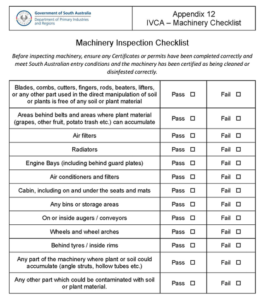
Managing this risk requires thorough cleaning and inspection. Appendix 12 of PIRSA’s IVCA operational procedure contains a machinery checklist, providing a practical guide to areas biosecurity officers will check when inspecting machinery entering the state.
Using the checklist before transport can help identify areas that may need further cleaning and reduce the risk of delays at the border.
Contact PIRSA before moving machinery
Before moving any machinery interstate, contact PIRSA’s Plant Health Market Access team to confirm the cleaning, inspection and certification requirements for your machinery.
PIRSA Plant Health Market Access
Email: pirsa.planthealthmarketaccess@sa.gov.au
Phone: 08 8207 7814
Moving machinery in other states?
Biosecurity requirements vary between states and territories. Before moving machinery interstate, contact the relevant state or territory biosecurity authority to confirm any cleaning, inspection or certification requirements.
About the Grains Farm Biosecurity Program
The Grains Farm Biosecurity Program (GFBP) is an initiative to improve the management of, and preparedness for, biosecurity risks in the grains industry at both farm and industry levels. Launched in 2007, it is managed by Plant Health Australia and funded by growers through Grain Producers Australia, in partnership with the governments of New South Wales, Queensland, South Australia, Victoria and Western Australia.