
By Stuart Kearns, National Manager, Preparedness and RD&E, Plant Health Australia
An emergency plant pest simulation at Kununurra, WA, has helped growers, government and other industry stakeholders to better understand their roles in responding to an exotic pest incursion.
Being prepared for a biosecurity incident isn’t just about having plans on paper. It’s about understanding what happens on the ground when an unusual pest or disease turns up and knowing who needs to act when and how. This was the focus of a biosecurity simulation exercise at Kununurra in March, putting northern Western Australia’s grain and fibre response systems to the test.
Exercise GrainShield Kununurra, delivered by Plant Health Australia (PHA) in partnership with the Western Australian Department of Primary Industries and Regional Development (WA DPIRD) and GRDC, was shaped by a local planning team to ensure it reflected realistic regional conditions.
The exercise, conducted at WA DPIRD’s Frank Wise Institute, brought together growers, industry, government and supply chain representatives to work through a realistic emergency plant pest scenario in the Ord River Irrigation Area.
The exercise was part of a coordinated 5-year national simulation program aimed at improving biosecurity preparedness across the grains sector. It reflects the role biosecurity plays in supporting productivity, business confidence and access to domestic and overseas markets.
The Ord is one of Australia’s most unique cropping regions, producing grain, cotton and a range of horticultural and timber crops under irrigated tropical conditions. Its proximity to international borders and reliance on long supply chains make early detection and rapid response especially important if an exotic pest or disease is introduced.
Exercise GrainShield Kununurra was designed to reflect these realities. Participants worked through a theoretical Emergency Plant Pest (EPP) incursion, focusing on the first 10 days of the response when early decisions have the greatest impact on whether a pest can be contained or eradicated.

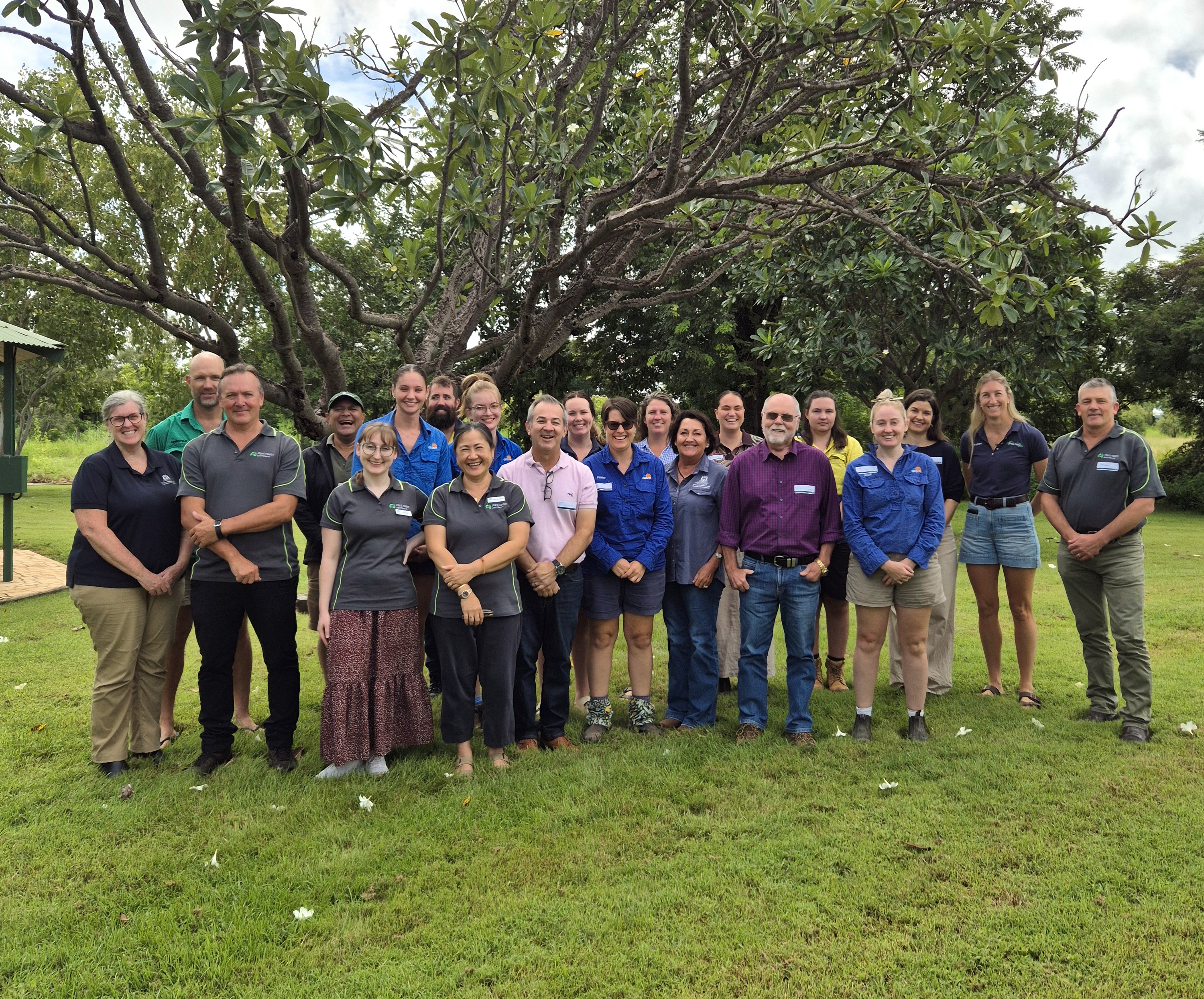
Participants from government, industry and growers were among those who took part in emergency plant pest planning in Kununurra. Photo: PHA
Rather than testing technical knowledge alone, the exercise focused on what response arrangements would work in practice, including how information moved, how decisions were made and how growers and businesses would be engaged.
Participants worked through scenarios using guided discussions and breakout activities, considering issues such as:
For growers involved, the exercise provided insight into what happens during an emergency response, and how on-farm actions and communication play a critical role in successful outcomes.
Responding to an incursion in northern Western Australia brings additional complexity. Distance from diagnostic laboratories, workforce availability, seasonal pressures and weather events all influence how quickly and effectively action can be taken.
These factors were a major focus of the Kununurra simulation. Participants explored how delays in transport, limited personnel or disrupted communications could affect response timelines, and what contingency planning was needed to manage those risks.
Discussions also highlighted the importance of strong links with ports, transport operators, irrigation managers and storage facilities, reflecting how closely biosecurity outcomes were to everyday supply chain operations.
A key benefit of the simulation was the opportunity for participants to work through scenarios together before a real incident occurs. Many growers, agribusinesses and agency staff do not routinely come together, despite relying heavily on each other during an emergency response.
By sharing perspectives and working through decisions collectively, participants built a clearer understanding of roles, responsibilities and information flow. This shared understanding is critical during an emergency, when time is limited and pressure is high.
Participants reported increased confidence in their ability to contribute if an incursion was to occur, whether through early reporting, cooperating with surveillance, assisting communication efforts or adjusting business operations.
Exercise GrainShield also prompted participants to consider what preparedness looked like in everyday farming and agribusiness operations.
For some, this meant reviewing how staff recognised and reported unusual pests or symptoms as well as how to improve record keeping. For others, it highlighted the value of having up-to-date contact details, understanding reporting pathways such as the Exotic Plant Pest Hotline, and knowing what information growers could expect during a response.
These are practical steps that help ensure any response starts quickly and confidently.
Insights from the Kununurra exercise will inform ongoing work to strengthen plant biosecurity systems, particularly in regional and remote areas. Lessons learned will help refine training priorities, improve response arrangements and guide future simulations under the GrainShield program.
Further exercises are planned across different grain-growing regions over the next 5 years as part of GRDC’s investment in preparedness against biosecurity risks.
By testing systems, building relationships and improving preparedness before an incursion occurs, activities such as Exercise GrainShield Kununurra help ensure growers are well placed to respond to challenges.
PHA acknowledges WA DPIRD, GRDC and the Exercise Planning Team – including representatives from WA DPIRD, Ordco, the Shire of Wyndham and the Department of Agriculture, Fisheries and Forestry – for their input and support.
Thanks are also extended to all participating agencies, CGL–Wyndham Port, and local growers for their time, insights and willingness to share experience.
More information: Plant Health Australia, training@phau.com.au
Resources: